
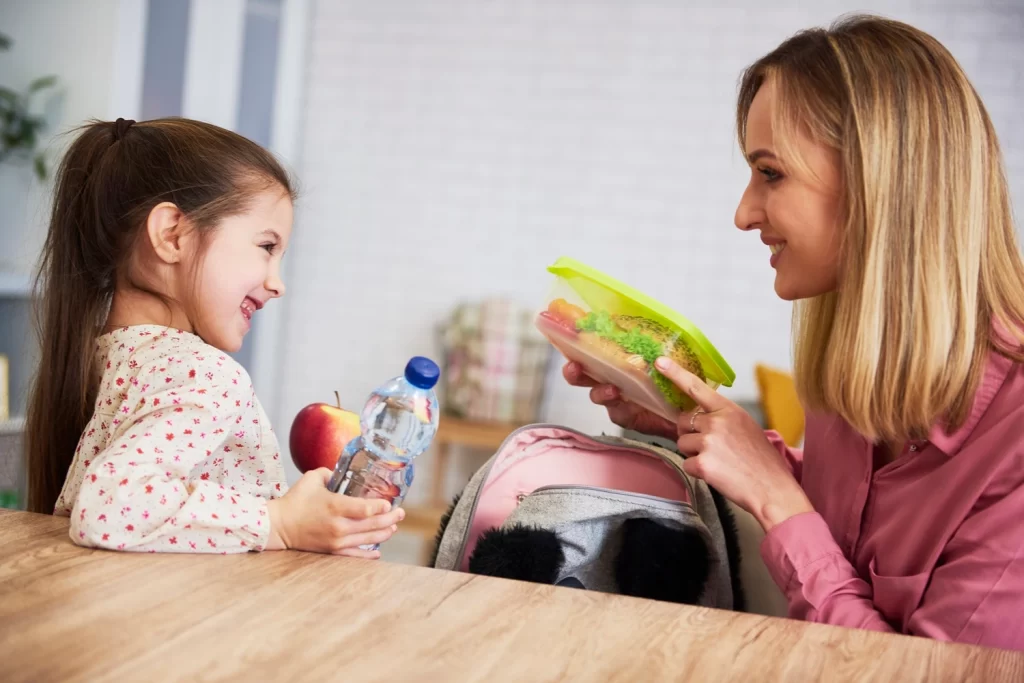
A lunch box is one of those school supplies parents buy quickly without thinking too much about it. But the right lunch box does more than carry food — it keeps meals fresh, prevents spills inside school bags, and can even encourage kids to actually finish what you packed. With so many options available in India today, from stainless steel tiffins to bento-style compartment boxes, this guide helps you choose the one the best lunch box for your child.
1. Why the Right Lunch Box Matters
A good lunch box reduces morning stress for parents and makes lunchtime easier for kids. Leakproof compartments mean no soggy school bags, while easy-to-open lids help children manage their meals independently without needing a teacher’s help. Over time, the right lunch box also supports better eating habits — when food stays fresh, appetising, and neatly packed, kids are far more likely to eat what was prepared for them rather than leaving it untouched.
Food safety is another important consideration. A lunch box holds your child’s food for 4 to 6 hours before it is eaten. During that time, the container material, seal quality, and design all affect whether the food stays fresh, safe, and clean.
2. Types of Lunch Boxes Available
Stainless steel tiffin boxes are the most popular choice among Indian parents. They are durable, do not retain odor, are free from harmful chemicals, and are well-suited for hot meals like roti, sabzi, and rice. They last several years with basic care and are easy to clean.
BPA-free plastic lunch boxes are lightweight, colourful, and available in a wide range of fun character themes that kids love. They are especially popular for younger children who need something light to carry. However, plastic can absorb food smells over time and may need replacing more frequently.
Bento-style compartment boxes — available in both steel and plastic — have multiple sections that keep different foods separate. These are great for parents who pack a variety of items like fruit, roti, sabzi, and snacks, as the foods do not mix flavours or textures during transit.
Insulated lunch boxes are ideal for families who pack warm meals and have long school days. They use vacuum insulation to maintain food temperature for several hours, keeping curries warm and fruits cool.
3. Stainless Steel vs Plastic — Which Is Better?
Stainless steel is the safer and more durable choice for most school-going children. It does not leach any chemicals into food, even when the meal is warm or oily. It does not retain food odours, does not stain, and handles rough daily use without cracking. A good stainless steel lunch box can last 4 to 5 years, making it more economical in the long run despite a higher upfront cost.
BPA-free plastic is a reasonable option for younger kids where weight is a concern, or as an affordable backup box. However, research has shown that even BPA-free plastic can release trace chemicals when exposed to heat, oil, or prolonged use. Plastic boxes also tend to develop a stale smell over time and need to be replaced more often.
For most Indian families packing warm meals like dal, rice, or parathas, stainless steel is the strongly recommended choice.
4. How Many Compartments Does Your Child Need?
The right number of compartments depends on what you typically pack and your child’s age. For younger children in nursery to class 2, one or two compartments are usually enough — a main section for roti or rice and a smaller one for a side dish or fruit. Keeping it simple also makes it easier for young kids to open and close on their own.
For older children in class 3 and above, two to four compartments work well. Separate sections for the main meal, a side, fruit, and a small snack help maintain taste and presentation, and encourage a more balanced and complete meal. Bento-style boxes in this range are particularly popular as they make lunchtime more interesting and visually appealing for kids.
5. Five Things to Check Before Buying
1. Leakproof seal — This is the most important feature. Look for lunch boxes with rubber or silicone gaskets around the lid, or clip-lock mechanisms on all sides. If you are packing liquid dishes like dal or curry, test the box at home before sending it to school.
2. Food-safe material — Always choose BPA-free plastic or food-grade stainless steel (304 grade). These materials do not release harmful chemicals into food and are safe for daily use.
3. Easy to open and close — If a child cannot open their lunch box independently, they may skip eating or ask for help every day. Test the lids before buying — they should be firm enough to stay shut but easy enough for small hands to manage.
4. Easy to clean — Look for smooth surfaces with no deep grooves or hard-to-reach corners where food can get trapped. The fewer the parts, the easier the cleaning. Lunch boxes that come apart fully are much easier to wash thoroughly.
5. Right size for your child’s appetite — A lunch box that is too small leaves kids hungry, while one that is too large means wasted food and extra weight in the bag. A 500 to 600 ml capacity works well for most primary school children, while older kids can manage 700 ml to 1 litre.
6. Size Guide by Age
For children between 3 and 6 years, a compact single or two-compartment box with a capacity of 300 to 500 ml is ideal. It is light to carry, easy to open, and fits neatly into smaller school bags. For primary school children between 7 and 10 years, a two to three compartment box of 500 to 700 ml comfortably holds a balanced meal. For older kids aged 11 and above, a larger box of 700 ml to 1 litre with three or more compartments suits their bigger appetite and longer school day.
7. How to Keep the Lunch Box Fresh All Term
Rinse the box and all its parts with warm water after every use — do not leave food residue sitting overnight. Once a week, wash thoroughly with mild soap, a sponge, and a narrow brush for corners and gaskets. Let all parts air dry completely before reassembling, as trapped moisture leads to odour and mould. For stubborn smells, fill the box with a mixture of water and baking soda, leave it for a few hours, then rinse. Keep the lid open when storing overnight so fresh air can circulate inside.
Frequently Asked Questions
Q: Is stainless steel heavy for young kids to carry? A: Modern stainless steel lunch boxes designed for children are quite lightweight. A 500 ml steel box typically weighs between 200 and 300 grams when empty — comparable to most plastic options.
Q: Can I pack curry or dal in a stainless steel lunch box? A: Yes, as long as the box has a proper leakproof seal with a silicone gasket or clip locks on all sides. Always test at home first by closing the lid and tipping the box gently before sending it to school.
Q: How many compartments is ideal for a school lunch box? A: Two to three compartments work well for most school kids. They allow you to pack a main dish, a side, and fruit separately without the foods mixing together.
Q: How often should I replace my child’s lunch box? A: A good stainless steel lunch box can last 4 to 5 years with proper care. Plastic boxes may need replacing every 1 to 2 years, especially if they develop cracks, stains, or persistent odour.
Q: Are character-themed lunch boxes safe? A: Yes, as long as the prints are on the exterior only and the interior is plain food-safe material. Avoid boxes where interior surfaces are painted or coated.
Shop Lunch Boxes for School Kids
Explore Kabira Gallery’s range of stainless steel lunch boxes — leakproof, microwave-safe, and designed for the Indian school day.