
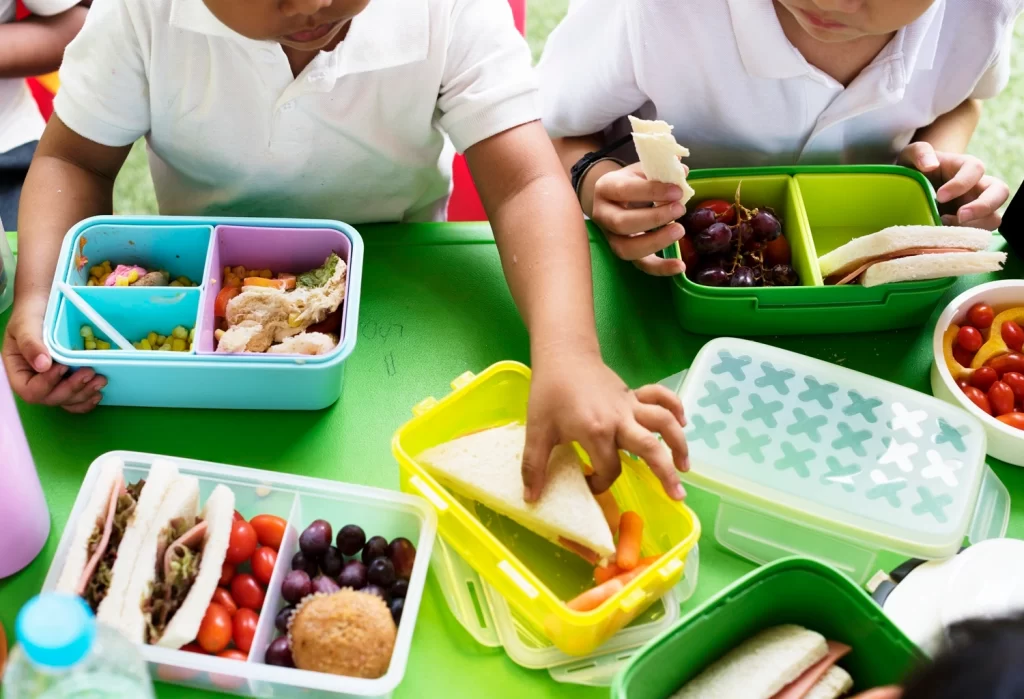
Packing a healthy and appealing lunch box for kids is something every parent wants to get right. A well-prepared tiffin not only satisfies hunger but also fuels children with the energy and nutrients they need to stay active, focused, and happy throughout their school day. However, balancing nutrition with taste can be challenging, especially when kids are picky eaters or easily bored with repetitive meals.
The key to a successful school lunch box lies in combining wholesome ingredients with flavors kids love. With a little planning and creativity, you can prepare meals that are both nutritious and exciting, ensuring your child finishes their lunch every day.
What Makes a Perfect Kids Lunch Box?
A balanced lunch box should include a mix of essential nutrients. Carbohydrates provide energy, proteins support growth and development, while vitamins and minerals help strengthen immunity. Adding healthy fats in small amounts also contributes to overall well-being.
Start with a base like roti, rice, or whole wheat bread for energy. Pair it with protein-rich foods such as paneer, lentils, sprouts, or tofu. Include vegetables for fiber and essential nutrients, and don’t forget a portion of fresh fruit for natural sweetness and vitamins. You can also add a few nuts or seeds if your child enjoys them and has no allergies.
Variety is equally important. Repeating the same meals can make kids lose interest, so try to rotate different recipes and ingredients throughout the week. Presentation also plays a big role. Colorful, neatly packed meals are more appealing and can encourage kids to eat better.
Healthy and Tasty Lunch Box Ideas for Kids
One of the easiest and most popular options is stuffed vegetable paratha served with curd and a fruit. You can use fillings like potato, paneer, or mixed vegetables. This combination is filling, nutritious, and easy to prepare in the morning.
Vegetable sandwiches made with whole wheat bread are another great option. Add cucumber, tomato, grated carrot, and a slice of cheese, along with a light spread of butter or chutney. Pair it with a homemade drink like fresh juice or buttermilk to make it more refreshing.
Vegetable poha is light yet nutritious and works well for younger children. It is easy to digest and can be prepared quickly with minimal ingredients. Adding peanuts or green peas enhances both taste and nutritional value.
Idli with coconut chutney is a soft, healthy choice that is easy for kids to eat. You can also include a small portion of sambar for added flavor and nutrition. Similarly, dosa rolls can be packed neatly and are convenient for school lunches.
Paneer rolls made with chapati are an excellent protein-rich option. Simply sauté paneer with vegetables and wrap it in a roti. It is tasty, filling, and easy to eat without making a mess.
Lemon rice with peanuts is another flavorful dish that kids often enjoy. It has a tangy taste and the peanuts add a crunchy texture along with protein. You can also try vegetable pulao as a variation.
Sprouts salad mixed with sweet corn and mild spices is a healthy addition to the lunch box. If your child prefers something warm, you can lightly sauté the sprouts to make them more palatable.
Whole wheat pasta with vegetables is a favorite among kids. Use colorful vegetables like capsicum, corn, and carrots, and keep the seasoning mild. This makes for a balanced and enjoyable meal.
Besan chilla, also known as gram flour pancakes, is a quick and protein-rich option. Serve it with green chutney or ketchup to make it more appealing.
Homemade vegetable cutlets are another excellent choice. Made with boiled potatoes and mixed vegetables, they can be shallow-fried for a healthier version. Pair them with a small portion of sauce to make them more exciting.
Sample 5-Day Lunch Box Plan
Planning ahead can save time and reduce stress during busy mornings. A simple weekly plan ensures variety and balanced nutrition.
On Monday, you can pack vegetable paratha with curd and apple slices. Tuesday can include idli with chutney and a banana. Wednesday’s lunch could be a paneer roll along with an orange. On Thursday, vegetable poha with a handful of nuts works well. Friday can be a fun meal with whole wheat pasta and a small portion of fresh juice.
This kind of rotation keeps meals interesting while ensuring your child gets a mix of nutrients throughout the week.
Tips to Make Kids Finish Their Lunch
Getting kids to finish their lunch is often more difficult than preparing it. One effective approach is to keep portion sizes small and manageable. Large portions can overwhelm children and reduce their appetite.
Adding variety is crucial. Even small changes in ingredients or presentation can make a big difference. For example, you can cut sandwiches into fun shapes or use colorful vegetables to make the meal visually appealing.
Including one favorite item in the lunch box can also encourage kids to eat the rest of their meal. It creates a sense of excitement and gives them something to look forward to.
Avoid packing food that is too spicy or oily, as it may not be suitable for school and can make kids uncomfortable. Choose simple, mild flavors that are easy to eat.
Involving kids in meal planning can also help. When children have a say in what goes into their lunch box, they are more likely to eat it.
Foods to Avoid in School Lunch
While it may be tempting to include packaged snacks for convenience, it is best to avoid items like chips, sugary biscuits, and processed foods. These lack essential nutrients and can lead to unhealthy eating habits.
Foods that are too oily or deep-fried should also be limited, as they can become soggy and less appetizing by lunchtime. Additionally, avoid packing items that spoil quickly, especially in warm weather.
Excess sweets should be minimized as well. While an occasional treat is fine, regular consumption can affect both health and concentration levels.
Final Thoughts
Preparing a nutritious and tasty school lunch box does not have to be complicated. With a little planning, you can create meals that are balanced, appealing, and enjoyable for your child. The focus should always be on combining health with taste, ensuring that your child gets the nutrients they need without compromising on flavor.
By introducing variety, maintaining proper portion sizes, and paying attention to presentation, you can turn everyday tiffin into something your child looks forward to. Over time, these healthy habits will not only support their growth and development but also encourage mindful eating for life.