
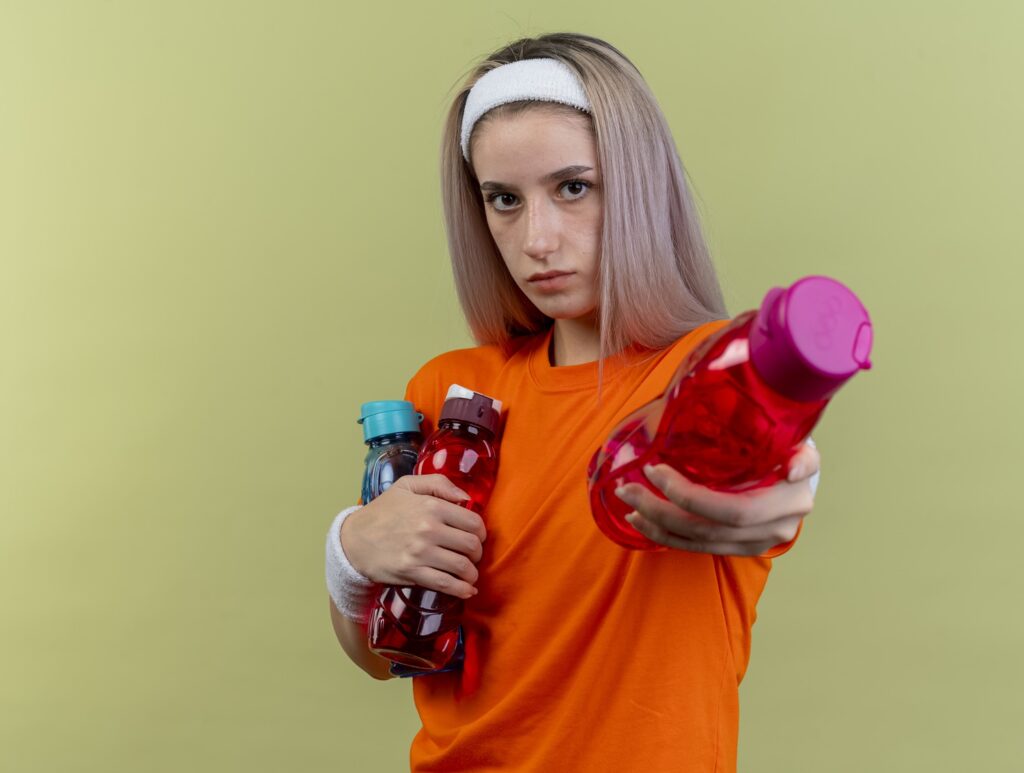
Choosing a water bottle for your child may seem simple, but many parents unknowingly make mistakes that affect safety, hygiene, and daily usability. A poorly chosen bottle can lead to leaks, reduced water intake, and even health risks.
In this guide, we will highlight the most common mistakes parents make when buying a kids’ water bottle and how you can avoid them to make a smarter choice.
Why the Right Water Bottle Matters for Kids
Children need consistent hydration throughout the day, especially during school hours, outdoor play, and travel. A good water bottle should be:
- Safe and non-toxic
- Easy to use
- Leak-proof
- Comfortable to carry
When these factors are ignored, kids often avoid using their bottle, leading to dehydration and inconvenience.
Mistake 1: Choosing Unsafe Materials
One of the biggest mistakes is buying bottles made from low-quality plastic without checking safety standards.
Why It’s a Problem
Cheap plastic bottles may contain harmful chemicals like BPA, which can affect your child’s health over time.
How to Avoid It
- Always choose BPA-free bottles
- Prefer stainless steel for long-term safety
- Look for food-grade certification
Safety should always come before design or price.
Mistake 2: Ignoring Size and Weight
Many parents buy bottles that are too big or too heavy for their child.
Why It’s a Problem
- Difficult for kids to carry
- Causes strain on shoulders
- Hard to fit in school bags
How to Avoid It
- 300 to 500 ml for younger kids
- 500 to 750 ml for primary school children
- Lightweight design for daily use
Always match the bottle size to your child’s age and comfort.
Mistake 3: Overlooking Leak-Proof Design
A leaking bottle can create daily frustration for both kids and parents.
Why It’s a Problem
- Damages books and notebooks
- Creates mess inside school bags
- Causes embarrassment for kids
How to Avoid It
- Choose bottles with secure lids and locks
- Check for silicone seals
- Test the bottle before use
Leak-proof design is a must-have feature, not optional.
Mistake 4: Choosing Complicated Designs
Some bottles look attractive but are difficult for kids to use.
Why It’s a Problem
- Kids may struggle to open or close the lid
- Increased chances of spills
- Hard-to-clean parts can collect bacteria
How to Avoid It
- Choose simple, easy-to-open lids
- Avoid too many detachable parts
- Ensure your child can use it independently
Practicality should always come before fancy design.
Mistake 5: Ignoring Cleaning and Hygiene
Many parents overlook how easy a bottle is to clean.
Why It’s a Problem
- Bacteria and mould buildup
- Unpleasant odour
- Health risks for children
How to Avoid It
- Choose wide-mouth bottles
- Clean daily with warm water and mild soap
- Use a bottle brush for deep cleaning
Hygiene is just as important as material and design.
Bonus Tips for Choosing the Right Water Bottle
- Let your child pick a design they like
- Choose bottles with grip or anti-slip features
- Look for carry straps for convenience
- Avoid very cheap, low-quality options
These small factors can make a big difference in daily use.
Final Thoughts
Buying a water bottle for your child is not just about looks or price. It is about safety, comfort, and usability. By avoiding these common mistakes, you can ensure your child stays hydrated, healthy, and comfortable throughout the day.
A well-chosen bottle encourages better habits and makes school life easier for your child.
FAQs
What is the safest water bottle material for kids?
Stainless steel and BPA-free plastic are the safest options.
What size water bottle is best for school kids?
It depends on age, but 500 to 750 ml is ideal for most school-going children.
How do I know if a bottle is leak-proof?
Check for tight seals, locking lids, and test it by shaking with water inside.
How often should I clean my child’s bottle?
Daily cleaning is recommended to maintain hygiene.
Are straw bottles good for kids?
Yes, especially for younger children, but they require regular cleaning to prevent bacteria buildup.